


How many shades of the same nude lipstick do we really need?
Every year, we see a wave of new beauty brands launching. New products, new formulations and new promises. Yet somehow, the more options we have, the harder it becomes to choose. As consumers, I think many of us are experiencing what I like to call choice fatigue.
When every brand seems to be selling us a slightly different version of the same lipstick, we naturally become more discerning. We start questioning whether a product is genuinely better or better marketed.
I’ve always been quite value-driven, prioritising quality products that actually deliver results. Lately, I’ve noticed that this way of thinking is becoming more common. Couple that with the rising cost of living, and we’re becoming more thoughtful about where our money goes.
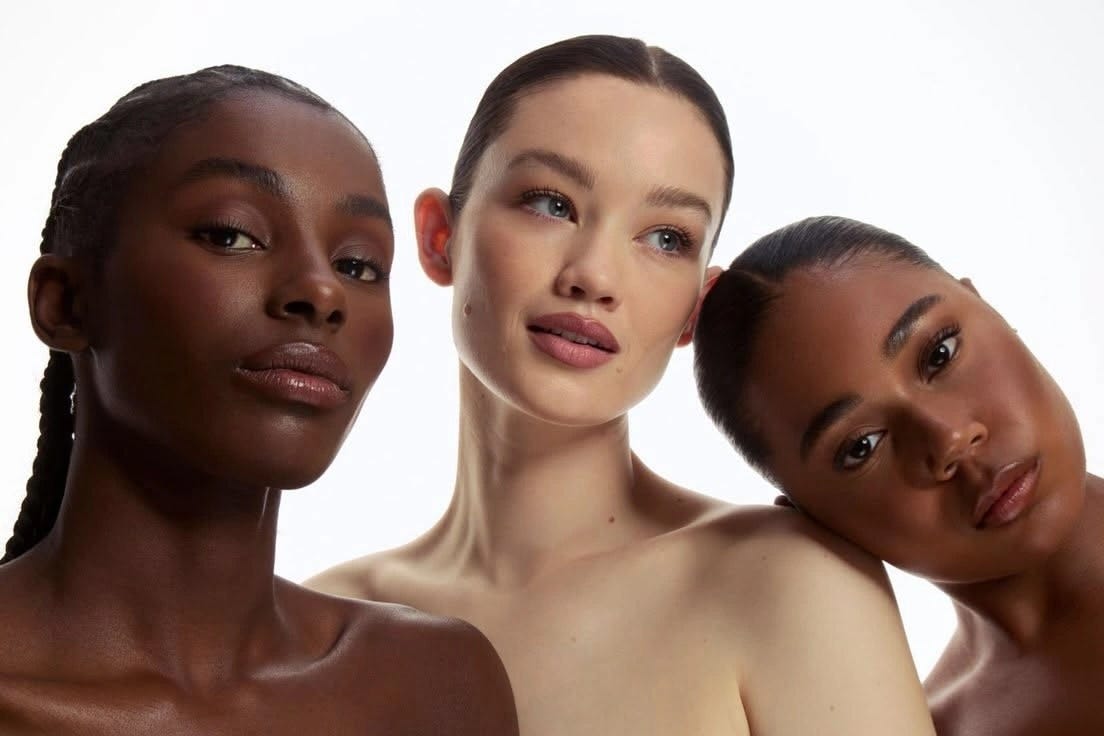
In a market where everyone is selling us beauty, what does it actually take to stand out?
1. Find the Sweet Spot
“Good quality. Effective products. Accessible prices.”
It sounds simple enough, yet you’d be surprised how many beauty brands struggle to get this balance right. In today's world, a higher price doesn’t always mean better quality, just as a lower price doesn’t always mean worse.
In fact, according to Circana, only 14% of US beauty buyers believe that a higher price indicates better quality.
This is partly why “masstige beauty” (mass-market brands with prestige-level performance) has gained traction.
As consumers, we’re becoming more discerning about what constitutes good value. It’s no longer simply about finding the cheapest option, but whether the quality and results justify the price we pay.
The sweet spot is offering consumers real VALUE through a balance of quality, performance and justifiable prices.
2. Give Us Proof, Not Just Promises
It is no denying that we are becoming more and more interested in what goes into our skincare and what those ingredients actually do.
When we’re spending money on a product that promises to improve our skin, we want to know whether it actually works.
For example, The Ordinary and La Roche-Posay were able to build a massive appeal due to their science-led skincare, ingredient efficacy and clinical credibility.
As consumers become more informed, clinical evidence is becoming a valuable selling point, as evidenced by the boom of dermatologist-backed skincare.
💡 Did you know that the beauty industry usually spends more on celebrity ambassadors, flashy packaging and attractive marketing than it does on R&D?
However, reusing the same old ingredients and just changing the marketing language no longer works today.
To earn trust, brands must go beyond marketing claims and back their promises with credible evidence and visible results.
3. Stop Creating More Needs. Start Solving Existing Problems.
In a market where beauty products are becoming similar, meaningful innovation has become more important than ever.
But the most exciting innovation isn’t necessarily a never-before-seen ingredient or a complicated formulation. Sometimes, it’s simply a product that solves a problem that we’ve been struggling with.
For example, REFY. The brand’s original brow range was developed to simplify a lengthy brow routine into just a few steps, and addresses something many beauty consumers can relate to: wanting good results without spending ages achieving them.
As consumers, we want brands to understand our everyday frustrations, whether that’s finding the right foundation shade, a sunscreen that doesn’t leave a white cast or a product that makes our routines a little easier.
Plus, when a product solves a recognisable everyday problem, it’s easier to demonstrate its value. A short video showing how it works can sometimes communicate more than an elaborate campaign.
To win consumers over, brands must focus on creating better solutions to problems consumers already face, rather than inventing new needs.
4. Build an Emotional Identity
We may be more discerning about what we buy, but our purchasing decisions are rarely driven by rational considerations alone. We’re also drawn to brands that make us feel something.
This is why emotional connection remains a powerful competitive advantage.
The brands that stand out often offer something beyond the product itself: a sense of identity, belonging or aspiration. This is what the industry calls emotional brand equity.
Take Rhode, REFY and indē wild. Each has built a distinct emotional world around its products, appealing to who we are or who we aspire to be: the cool girl (Rhode), the minimalist (REFY) or the one who values traditional rituals (indē wild).
When we identify with what a brand represents emotionally, our loyalty becomes less dependent on price alone. We don’t simply purchase a serum or lipstick, but buy into the values, experiences and associations surrounding it.
To win loyalty, brands must go beyond selling products and build an emotional connection consumers can identify with in an instant.
5. Make Social and AI Shopping a Priority
The way we discover and shop for beauty is changing. Think about how often we come across a product on TikTok or Instagram, watch its review and end up buying it without ever leaving the platform.
The lines between discovery, engagement and purchasing are blurring. Social platforms are no longer just places to market products; they're also where we shop for them.
In fact, McKinsey expects e-commerce to account for the majority of beauty’s sales growth through 2030, driven by social and agentic commerce.
AI shopping agents are reshaping this journey further, helping us compare ingredients, evaluate products and discover recommendations personalised to our needs.
As social and AI platforms have become two new places where we shop online, it’s important to make products easy to discover and shop across both.
Make it easier for consumers to a) discover, b) engage and c) buy products, within a single shopping journey.
Ultimately, what I’ve observed is that the brands standing out in beauty today are the ones bringing all these elements together.
It’s important to pay attention to these shifts because they tell us about where the industry is heading. What we’re seeing in beauty isn’t happening in isolation – the same changes are rippling across the wider worlds of fashion and luxury too.
Times are changing; so are we. And the rules of the game are changing with us.