


Lately, there has been an influx of fashion collections from some of the biggest tech firms. Many of you must have spotted merchandise from OpenAI, Perplexity, Palantir, Figma, Nvidia, Y Combinator and so on.
Amid this newfound fascination with fashion from Silicon Valley, once known for black tees and grey hoodies, tech seems to be finding new ways to give artificial intelligence a visual identity.
It’s ironic that these tech firms are building tangible products, given that their business models largely revolve around keeping us within the realms of digital screens.
What’s the Point Behind All This Tech Merch?
If you have noticed, many tech giants have ended up looking rather similar, especially with the advent of AI. So giving themselves a personality through clothing seems like an earnest attempt to humanise the complex world of code, data and software — which doesn’t sound particularly inviting in the first place.
Not to forget, it also acts as free marketing when people wear their merchandise. After all, technology wants to attract as many people as possible, and fashion allows it to do that better.
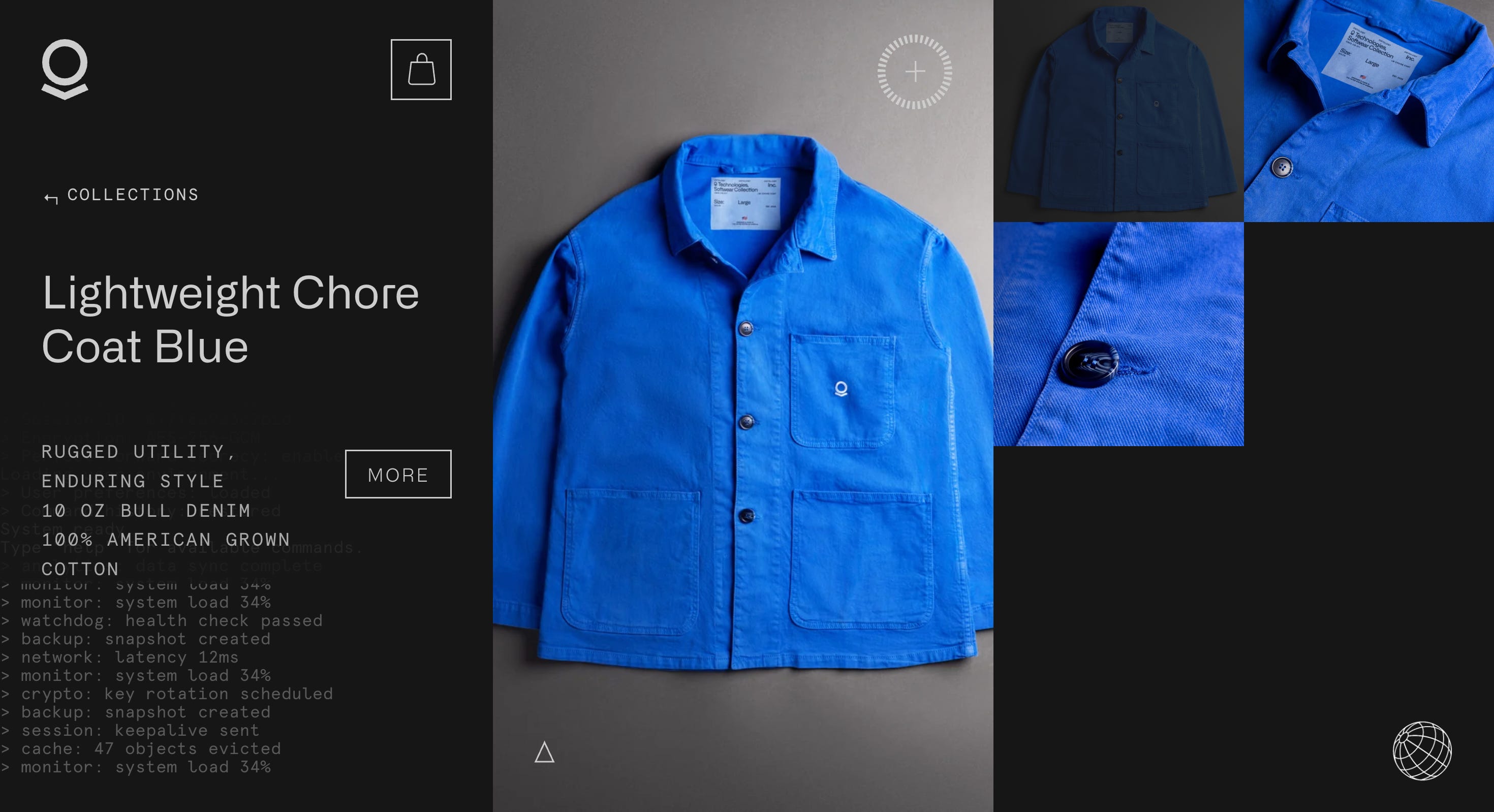
Perhaps we’ll continue seeing companies born in the digital world translate their identities into physical objects, shaping how people perceive and connect with them.
By visually associating ourselves with certain companies, we communicate something about our values, interests and the technologies we identify with. At the same time, these products may become memorabilia from a technological phenomenon that has taken the world by storm.
Who’s Actually Buying It?
Who in their right mind is actually going out wearing a hoodie with the ChatGPT logo embossed on their chest? I’d die of sheer embarrassment.
Perhaps the sentiment is quite different among the tech bros of Silicon Valley, who might see it as a cultural phenomenon to express their allegiance to a company amid the intensifying rivalry between tech giants.
I find it rather amusing that something as ordinary as a company hoodie could eventually become a form of cultural capital. Although, speaking for myself, I don’t think I could ever quite buy into it.
After all, OpenAI Supply Co. and Palantir have both seen merchandise sell out, so somebody must be buying it. And if that wasn’t enough, vintage tech merchandise from companies such as Intel and Apple has found its way onto resale platforms like eBay, sometimes fetching surprisingly high prices.
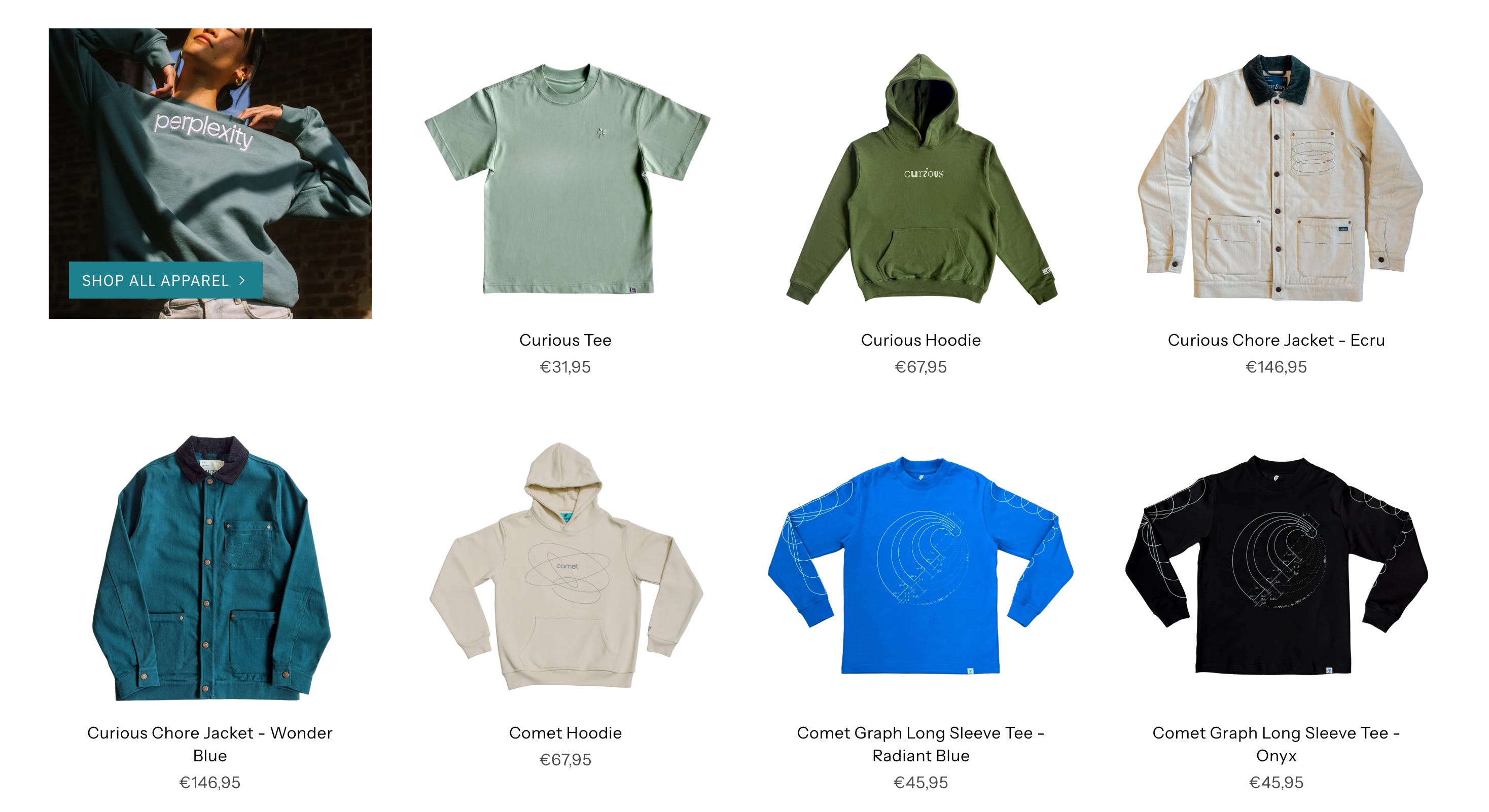
What I noticed was how minimal most of these products are. Low-key branding, mostly muted colours and streamlined designs, the kind of thing someone working at a San Francisco start-up would actually wear without feeling like a walking billboard.
Fashion Influence Meets Tech Money
Guess who helped sponsor this year’s Vogue World: Milano? OpenAI and Meta Glasses, among others.
Quite intriguing, right?
Not only are tech companies entering the world of fashion through their own collections and sponsorships of major fashion events, but Vogue left us rather surprised when it announced that the next edition of Vogue World in 2027 would take place in San Francisco.
Who could have imagined that a city largely associated with tech, coding, software and programming would become the destination for one of fashion’s biggest artistic and cultural spectacles?
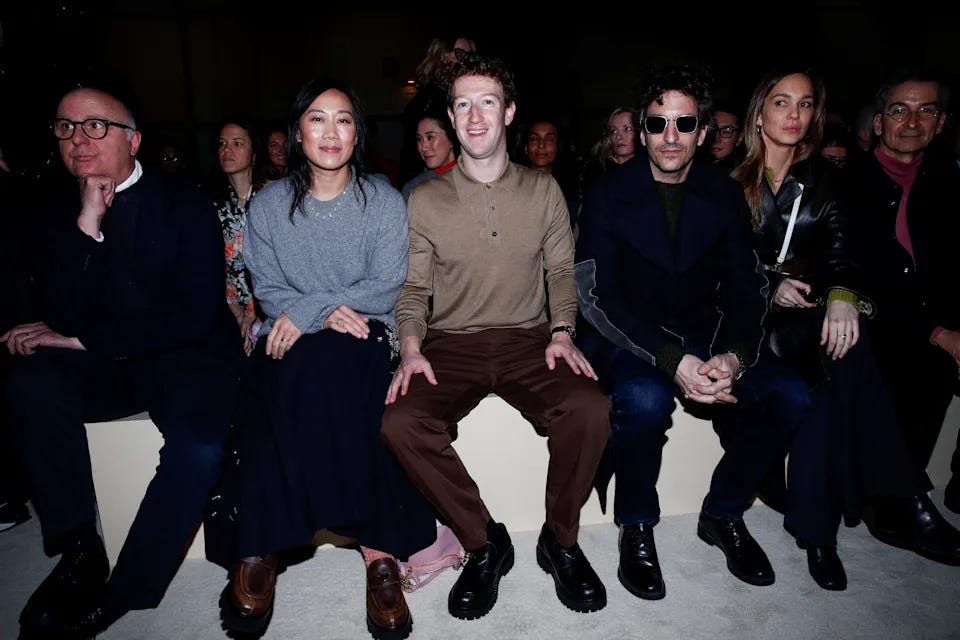
As more and more technocrats sit front row at fashion weeks, I don’t quite know whether to be surprised or not, given the ever-strengthening bonds between technology and fashion. Could the seats once dominated by the industry’s editors, celebrities and designers eventually be bought off by the billionaire tech moguls?
Although when you look a little closer, the relationship isn’t entirely new. Vogue has been building ties with Silicon Valley for years. More recently, Jeff Bezos and Lauren Sánchez Bezos received extensive Vogue coverage around their wedding, while the couple also became honorary chairs of the 2026 Met Gala as lead sponsors.
It is the talk of the ton that publications are finding new ways to make money, and tech has plenty of it. On the other hand, tech is looking for cultural influence, access and prestige, which Vogue (and the fashion industry) has in abundance.
In that sense, both sides have something the other wants, which explains their ever-tightening relationship.
Perhaps what we’re witnessing is technology slowly becoming part of our cultural identity, much like the brands we wear, the music we listen to and the communities we associate ourselves with.
And while I still find the idea of wearing a ChatGPT or Claude hoodie rather amusing, I can’t help but wonder whether we’re approaching a time when our choice of technology might say as much about us as our choice of clothes.
Main Takeaway: In the coming time, fashion might just become another way for people to express which technologies they feel most connected to.
The thought I want to leave you with:
Could the next fashion statement be about wearing the technology we believe in?
The Reading Rack
The Reading Rack is my collection of handpicked recommendations for those who’d like to explore the topic further.
If this article sparked your curiosity, here are 3 things I think are worth your time.
If You Can’t Beat A.I., Outdress It, Tech Firms and Their Swag Say — The New York Times
An interesting look at how Silicon Valley’s tech giants are turning ordinary company merchandise into fashionable, increasingly premium apparel.
Who Is Buying the Palantir Chore Coat? — The Glossy Podcast
For anyone curious about why people are buying into corporate merchandise and how it might become a symbol of identity and status.
Why the Robots at Vogue World Hit a Nerve — The Business of Fashion
An interesting perspective on the relationship between fashion and technology, and how consumers are responding to their growing intersection.
I loved the point about free marketing: every hoodie is a billboard someone paid for. And yet the designs are so minimal, almost as if the brands know people don’t want to look like billboards. The Vogue World San Francisco news really surprised me too, it says a lot about who has the money and who has the culture right now